Filling our cups
Our Movement
Five years ago, a group of Starbucks partners at a store in Buffalo, New York courageously took the first steps to unionize. It ignited a nationwide movement.
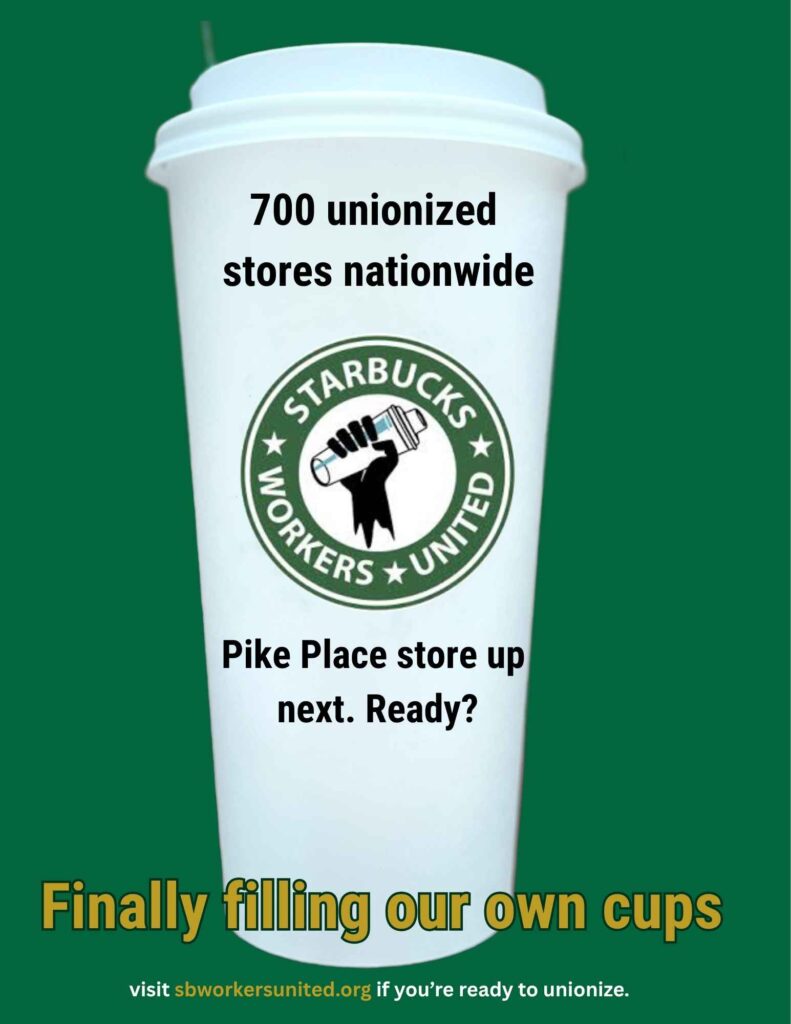
Starbucks Workers United was founded and helped unionize about 700 locations
The original Starbucks location at Pike Place in Seattle, Washington is next.
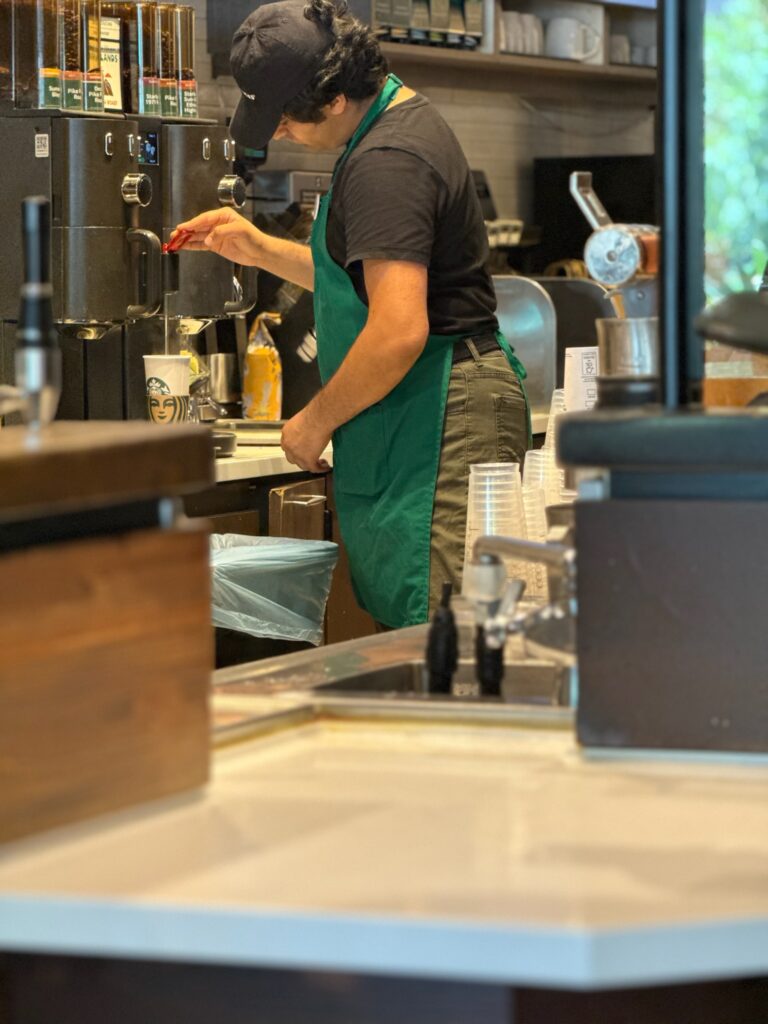
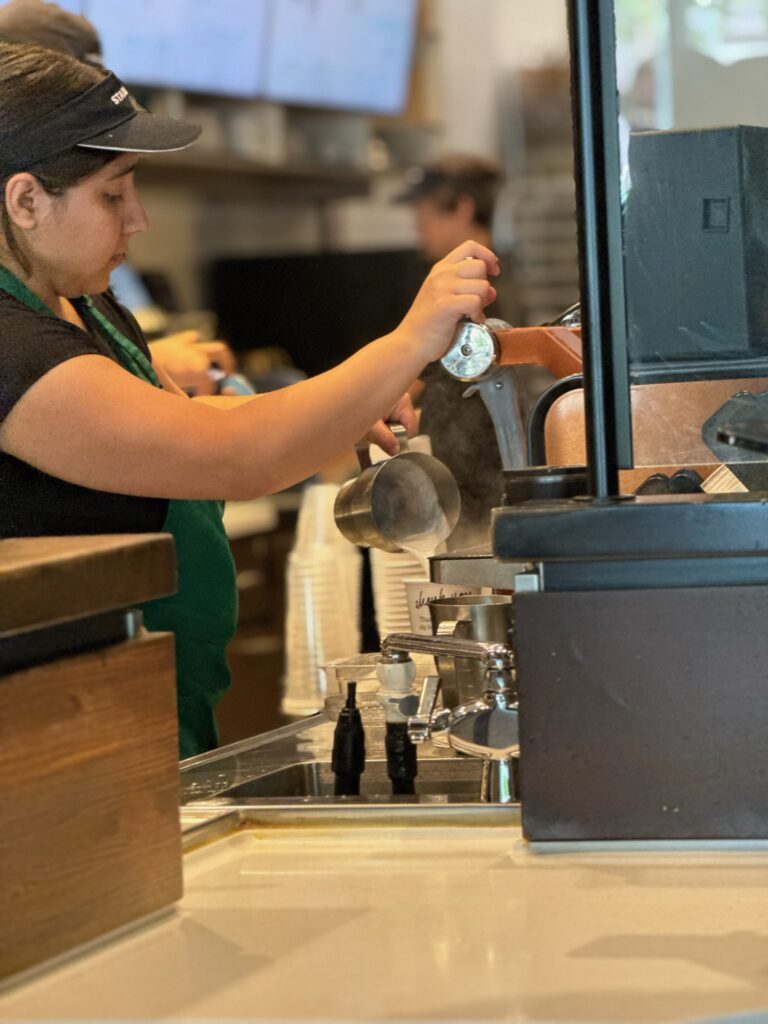
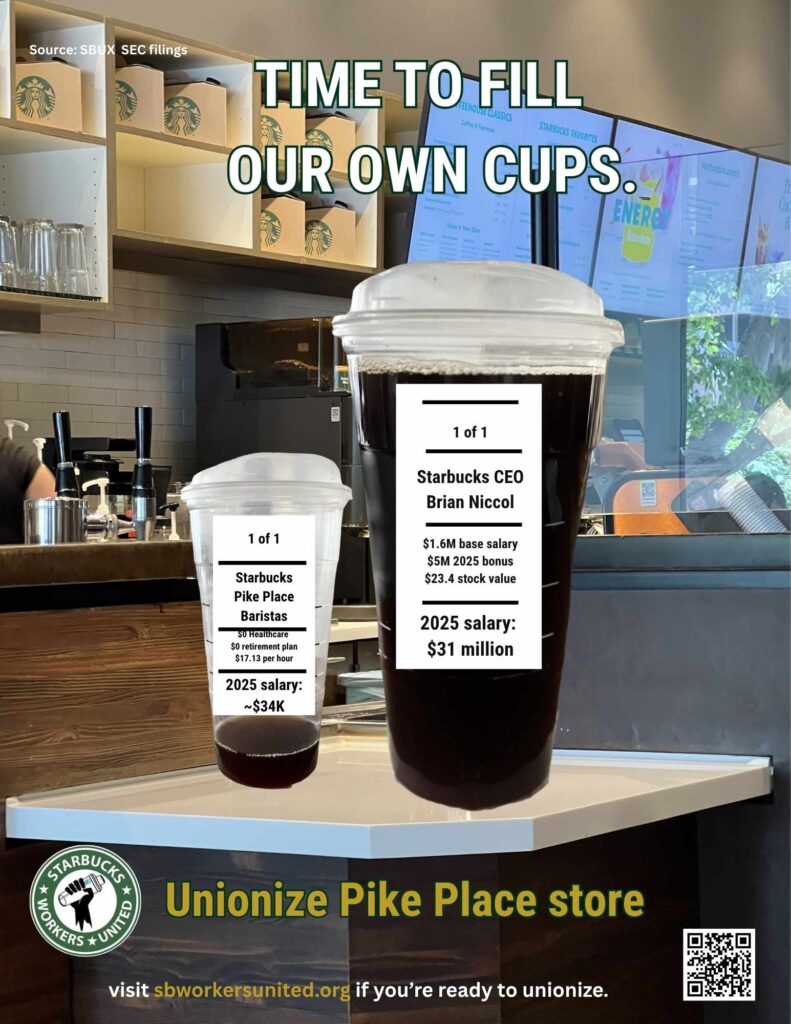
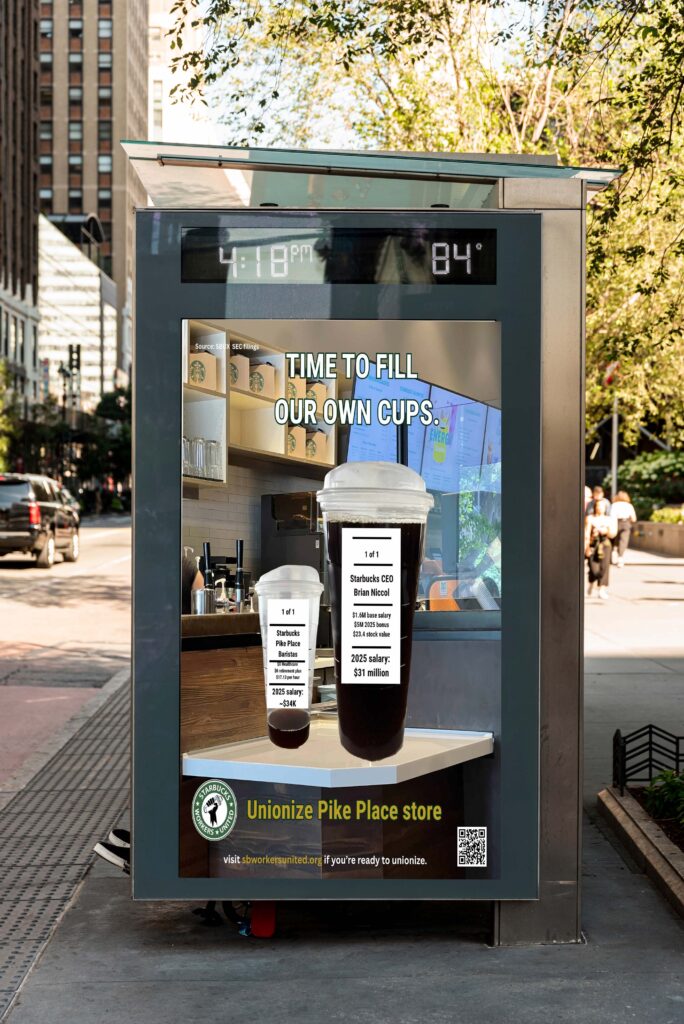
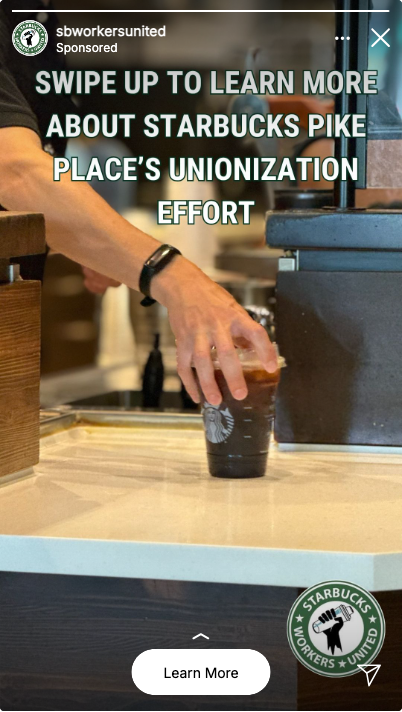
Pike Place store is unionizing
Since the very start, Starbucks Pike Place baristas have been there to start your day. We’ve poured coffee into millions of cups over five decades.
It’s time we started filling our own cups.
Ready to Unionize?
Unionization by the Numbers
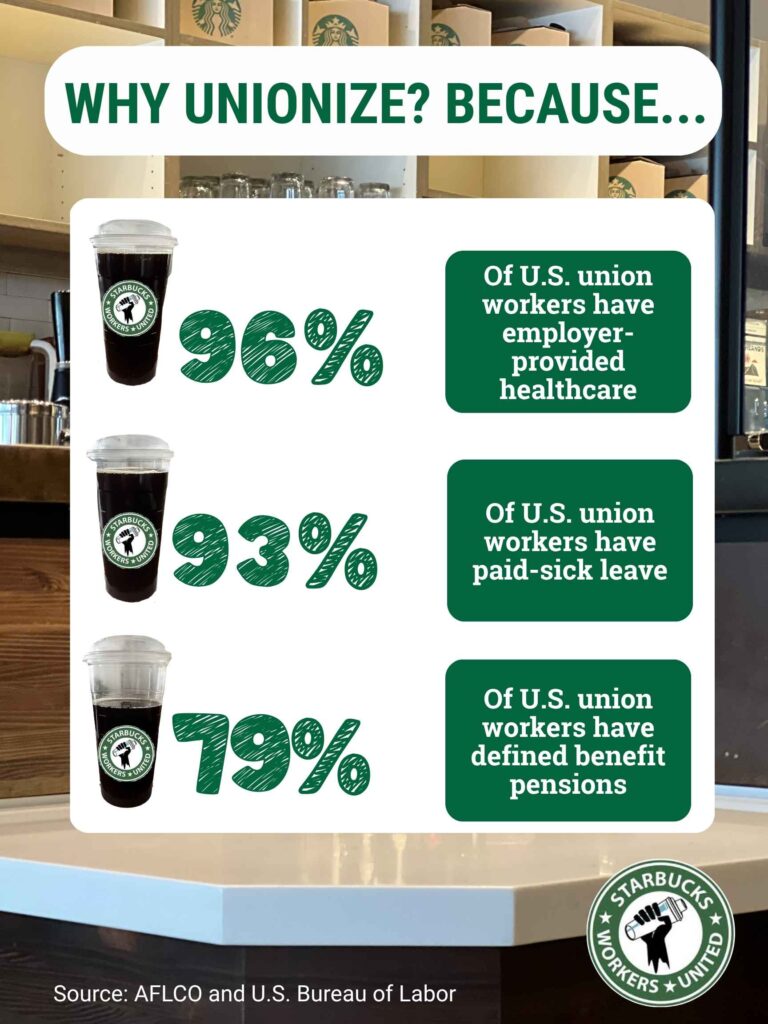
When the first Starbucks location opened (March 30, 1971) at Pike Place in Seattle, nearly 1 in 4 working Americans belonged to a union.
More than five decades later, only 1 in 10 working Americans belongs to a union, despite its benefits to ALL workers.
Telling The Starbucks Workers United Story
How to Unionize Your Shop?
Step 1: Have a conversation with coworkers
Before even beginning to think about how you’re going to stand up to management, you need to talk with coworkers about the problems you all are experiencing. Finding common ground among your coworkers, many of whom have different life experiences than you, is one of the most important things you can do. It’s foundational to every successful unionization effort.
Above all else, remember: every unionization process is DIFFERENT.
Step 2: Reach out to a union organizer (SBWU) to plan next steps
Once you and your coworkers feel confident about having a majority support (51%) for union efforts, reach out to unions with experience in the process. For Starbucks partners, reach out to Starbucks Workers United to begin planning how you’d like to announce your intention to form a union. SBWU has helped unionize 700 stores and nearly 10,000 partners.
Step 3: Gather union cards and be ready to file for an election
To show your shop that your shop is serious about unionizing, you’ll collect union cards. These cards will be signed by each partner at your shop and represent a request for formal recognition. This part will play one of two ways: either management will recognize the union or they don’t. In Starbucks’ case they normally don’t. If the latter happens, you and your coworkers file an election with the National Labor Relations Board.
All you need is a simple majority in this secret election.
Step 4: Collectively bargain
If you win your election, now comes the tedious part — bargaining. Basically, your coworkers who are designated to bargain will discuss the rules by which management must follow.
Instagram Stories: “Our Demands”
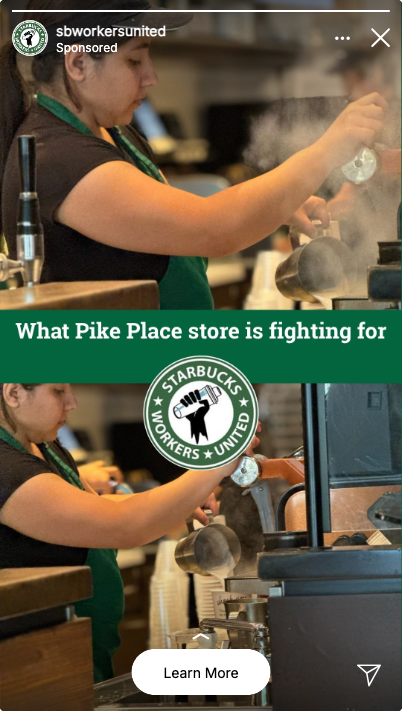
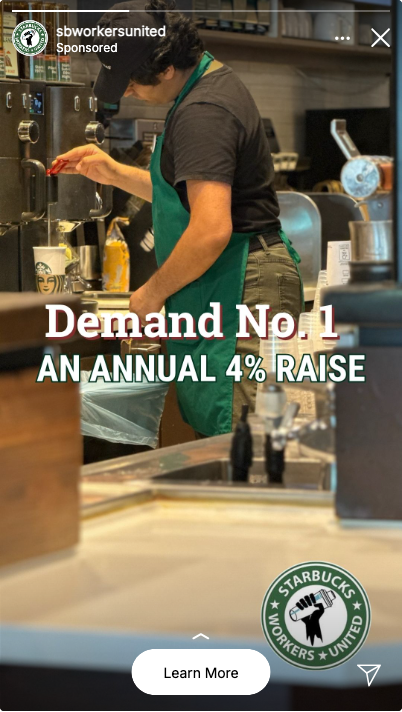
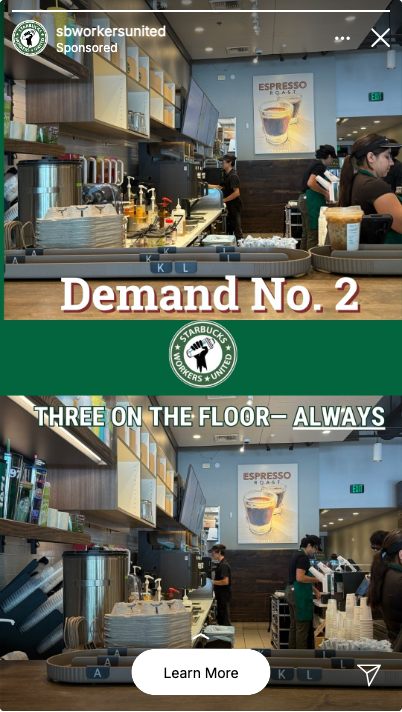
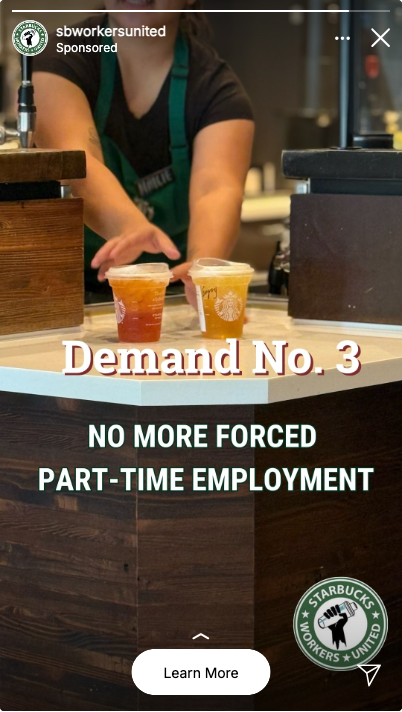
This page is not affiliated with Starbucks Workers United, and it is solely used for educational purposes.
1912 Pike Place
Seattle, WA 98101
United States
Proudly powered by WordPress