Follow the Herd
Reversing the declining measles vaccination rates among teenagers and young adults in Los Angeles.
Out of Homes


An epidemiological throwback
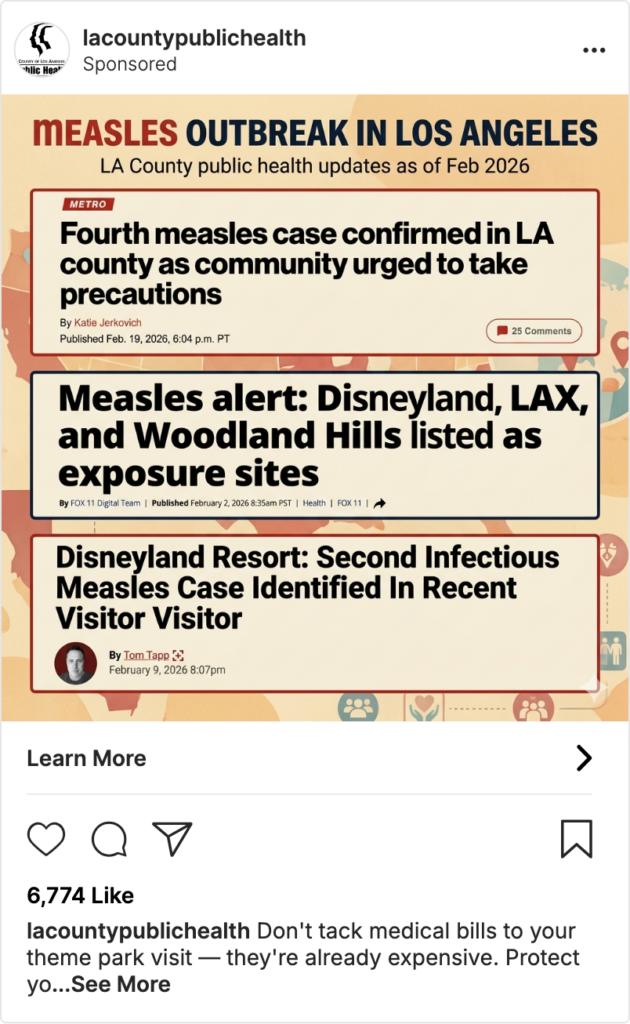
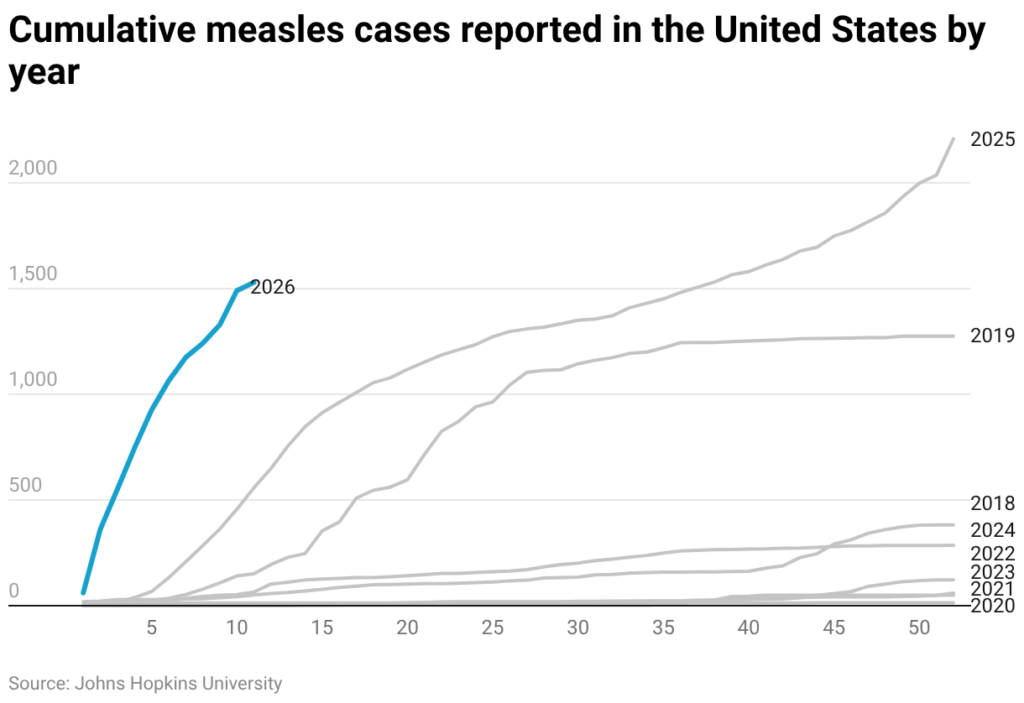
Less than 25 years after measles was considered eradicated in the United States, confirmed cases hit an all-time high in 2025. More than 2,000 measles cases were reported in 2025 – the highest number in almost three decades – and 2026 is on pace to surpass last year’s total, according to data from John Hopkins Bloomberg School of Public Health.
Measles outbreaks have become so common over the last 18 months that it led to the first measles-related death in over a decade (2015).
Why is measles making a comeback?
As a result of the recent uptick in measles cases throughout the country, the United States runs the risk of losing the designation of having eliminated measles, according to Stanford Medicine’s Sruti Nadimpalli, MD MPH, clinical associate professor of pediatrics and a specialist in pediatric infectious disease.
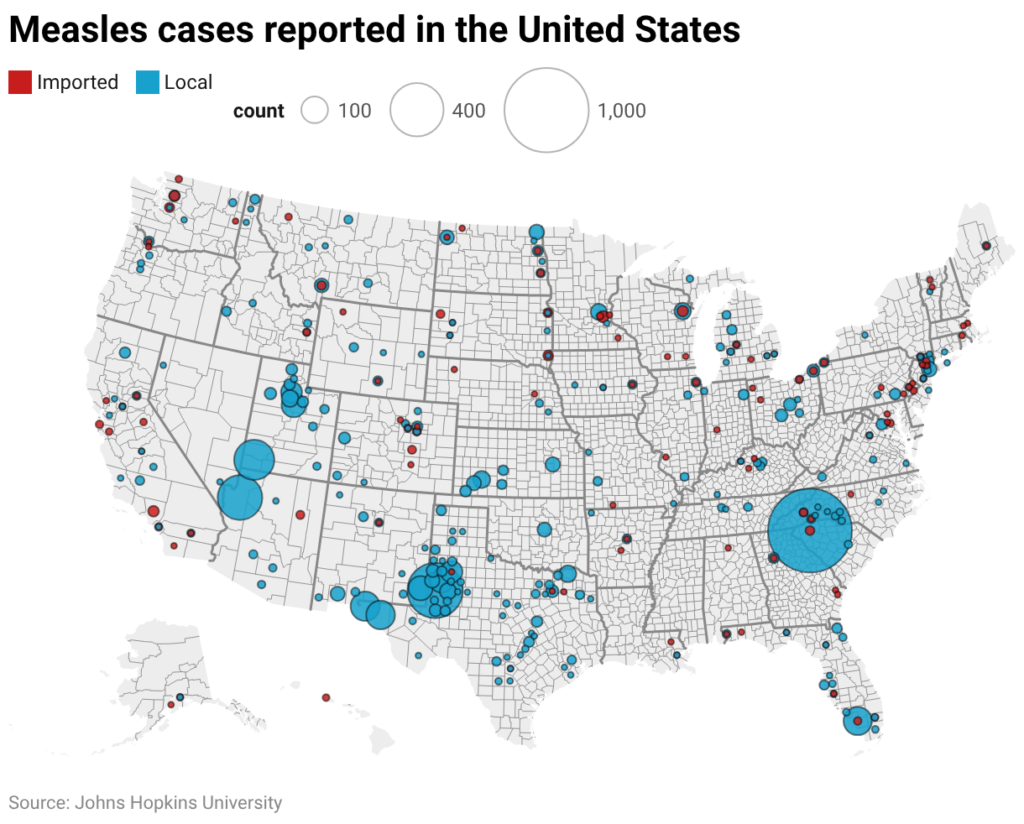
Since January of 2025, there have been 3,564 confirmed measles cases in 46 states, mostly among children and teenagers, according to Harvard Health Publishing. This sharp increase coincides with the growing increase in vacancy hesitancy and misinformation regarding the safety of vaccines. Some include the false link between vaccines and autism have been debunked on a number of occasions.
All have created a perfect storm and led to the falling rates of vaccination among children.
TBT: How we eliminated measles
Measles, a highly-contagious respiratory illness common and potentially deadly among children if not treated, was eliminated in 2000. Through an extensive two-dose vaccination program and intense surveillance, the United States was able to effectively eradicate measles and maintained elimination because of high vaccination rates (~94%), per the Journal of Infectious Diseases.
The two-dose vaccination program required mandatory vaccination, with the first dose given between 12 and 15 months of age and the second dose administered before the start of primary school. While cases were recorded during the period of elimination, due to international travel, high levels of vaccination rates — known as herd immunity — prevented the continuous spread of measles.